0
0
 0
0
In recent decades, growing concerns over environmental degradation and public health have led to the development and widespread use of the air quality monitor. These devices play a crucial role in detecting and analyzing airborne pollutants, allowing individuals, governments, and organizations to make informed decisions about health and environmental safety.
Pollutants such as particulate matter (PM2.5 and PM10), nitrogen dioxide (NO2), ozone (O3), sulfur dioxide (SO2), and carbon monoxide (CO) can all be monitored through sophisticated sensors built into modern monitoring equipment.
The data collected from a air quality monitor not only helps identify sources of pollution but also provides the foundation for public policies and regulations. By continuously tracking the quality of the air, these tools ensure that harmful levels of pollutants do not go unnoticed. This is especially vital in densely populated urban areas, where the risk of exposure to harmful emissions from vehicles, industry, and construction is particularly high.
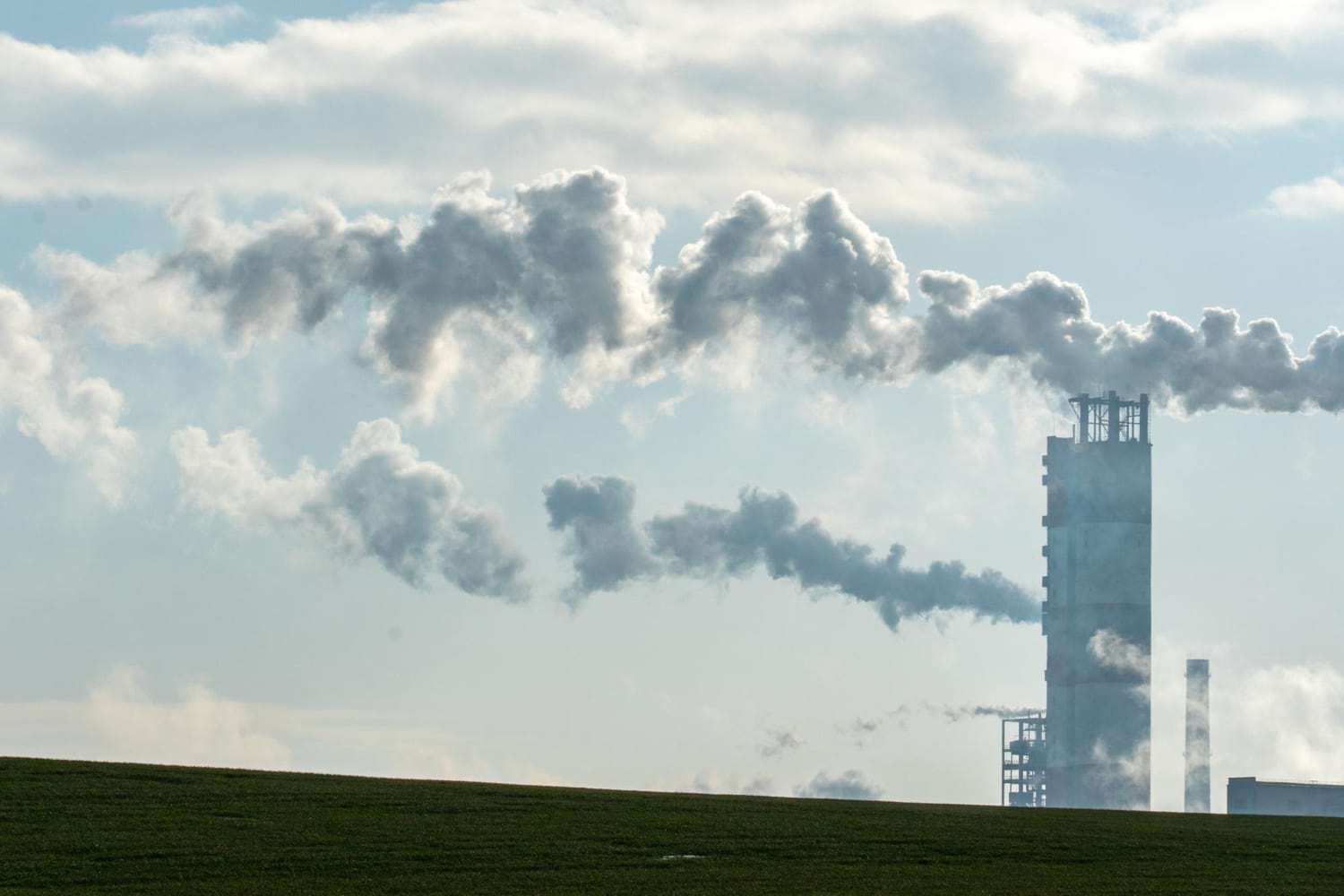
Protecting Human Health Through Early Detection
One of the most direct and critical benefits of using a air quality monitor is the protection of human health. Poor air quality has been directly linked to a wide range of health problems, including respiratory illnesses like asthma, bronchitis, and even cardiovascular disease. For individuals suffering from pre-existing conditions, even a small increase in air pollution can lead to severe symptoms or hospital visits. Children and the elderly are especially vulnerable, making real-time data from monitoring devices essential in managing exposure risks.
By alerting users to the presence of harmful pollutants, a air quality monitor allows people to take preventive action. For example, staying indoors during high pollution days or using air purifiers can reduce the impact on one’s health. In schools and workplaces, these monitors can guide decisions about when to open windows or whether to conduct activities outdoors.
Empowering Communities and Governments
Beyond individual benefits, the air quality monitor has become a powerful tool for communities and governmental agencies. City planners and public health officials rely on accurate air quality data to develop environmental regulations and enforce emission standards. This data is often used to issue air quality alerts, which warn the public about hazardous conditions, and to implement long-term initiatives like improving public transportation or limiting industrial emissions.
For local communities, especially in low-income or industrially dense areas, air quality monitoring helps highlight environmental injustices. Data can support activism and legal action by providing solid evidence of persistent pollution. Through citizen science initiatives, individuals and grassroots organizations can even deploy their own monitors to build a localized understanding of pollution patterns and advocate for change.
Supporting Climate Research and Environmental Science
The air quality monitor is also a valuable instrument in the field of environmental science. By gathering continuous, location-specific data, researchers can identify trends over time, study the relationship between weather and pollution, and assess the effectiveness of climate action strategies. Long-term datasets help build models that predict pollution events and better understand the interplay between climate and air quality.
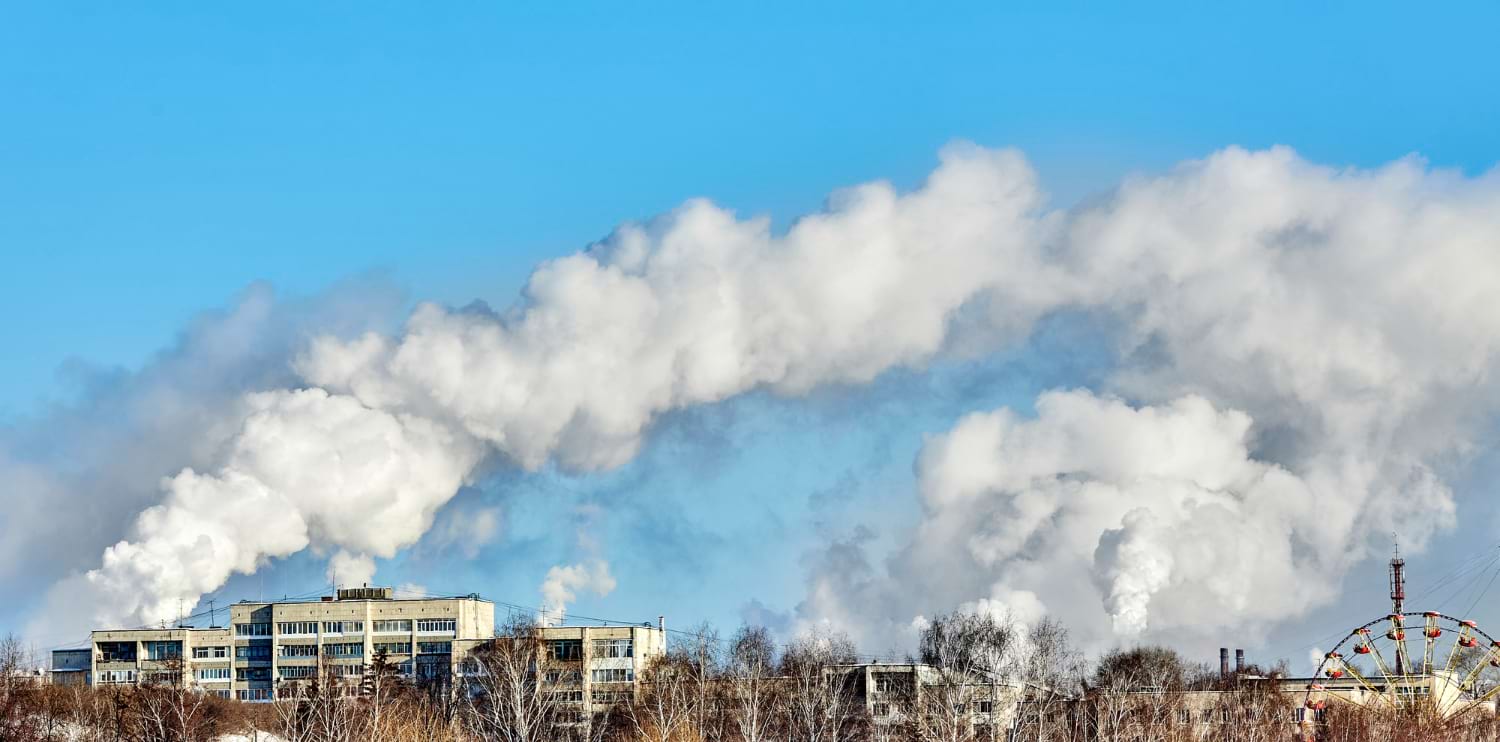
This scientific approach allows governments and organizations to invest in smarter infrastructure and cleaner technologies. For instance, tracking reductions in specific pollutants after implementing electric bus fleets or banning certain fuels gives quantifiable proof of the success of such initiatives. Without the precise measurements from these monitors, assessing environmental policy effectiveness would remain speculative.
The air quality monitor is far more than just a piece of equipment—it is a gateway to understanding, protecting, and enhancing the environment in which we live. Its benefits stretch across health, science, public policy, and personal lifestyle. As urbanization and industrialization continue to shape the modern world, ensuring that we have clean air to breathe becomes not just a priority, but a necessity.
Adopting air quality monitor technology in homes, schools, workplaces, and public spaces enables proactive decisions and supports the broader goal of sustainability. Whether used to shield sensitive individuals from daily pollution spikes or to guide long-term environmental reforms, these monitors represent a critical step toward a healthier, more informed society.


Author Profile
- Meet Sarah, the FinTech expert author who has been in the finance industry for over a decade. Her expertise in digital payments, cryptocurrencies, and financial regulations has made her a sought-after speaker and writer. Her articles are insightful and practical, offering readers valuable tips on how to navigate the rapidly evolving world of FinTech.
Latest entries
 TrendsOctober 22, 2025Training All Locations at Once: How VR Optimizes Multisite Learning
 UncategorizedSeptember 28, 2025Las claves microsoft excel y su papel en la gestión de datos moderna
 UncategorizedSeptember 26, 2025The Role of Software Development Companies and Their qa services
 UncategorizedSeptember 25, 2025IT Project Outsourcing – Strategic Solution for Modern Businesses