0
0
 0
0
Electronic design services play a pivotal role in the development of modern electronic systems. These services encompass a wide range of engineering disciplines and are essential for transforming innovative ideas into functioning, market-ready products.
From the conception of a circuit idea to the final deployment of an embedded system or IoT device, the expertise involved in electronic design services ensures that every component performs optimally and in harmony with the overall system. With the increasing demand for custom solutions in industries like automotive, aerospace, medical, telecommunications, and industrial automation, businesses are increasingly relying on specialized design partners who offer end-to-end electronic design services tailored to meet specific project requirements.
At the heart of these services is the ability to translate conceptual electrical designs into physical circuit board layouts. Customizable Printed Circuit Board (PCB) designs are essential in this process, as they ensure compactness, performance, and manufacturability. Skilled engineers can design multilayer boards, high-speed digital circuits, RF components, and power delivery systems. Each layer and component placement must be carefully engineered to reduce signal interference, improve thermal performance, and optimize space. This level of customization is critical, especially in sectors like medical devices or industrial machinery where each application may require unique specifications.
Customizable PCB Designs and Rapid Prototyping for Efficiency
Customizable Printed Circuit Board (PCB) designs lie at the core of reliable and scalable electronic products. These designs require careful attention to electrical characteristics, trace widths, impedance matching, and thermal management. Engineers begin with a schematic, selecting suitable components based on availability, performance, and cost. This schematic is then translated into a PCB layout using specialized software tools like Altium Designer, Eagle, or KiCad. Each trace, via, and component placement is scrutinized for efficiency, performance, and electromagnetic compatibility.
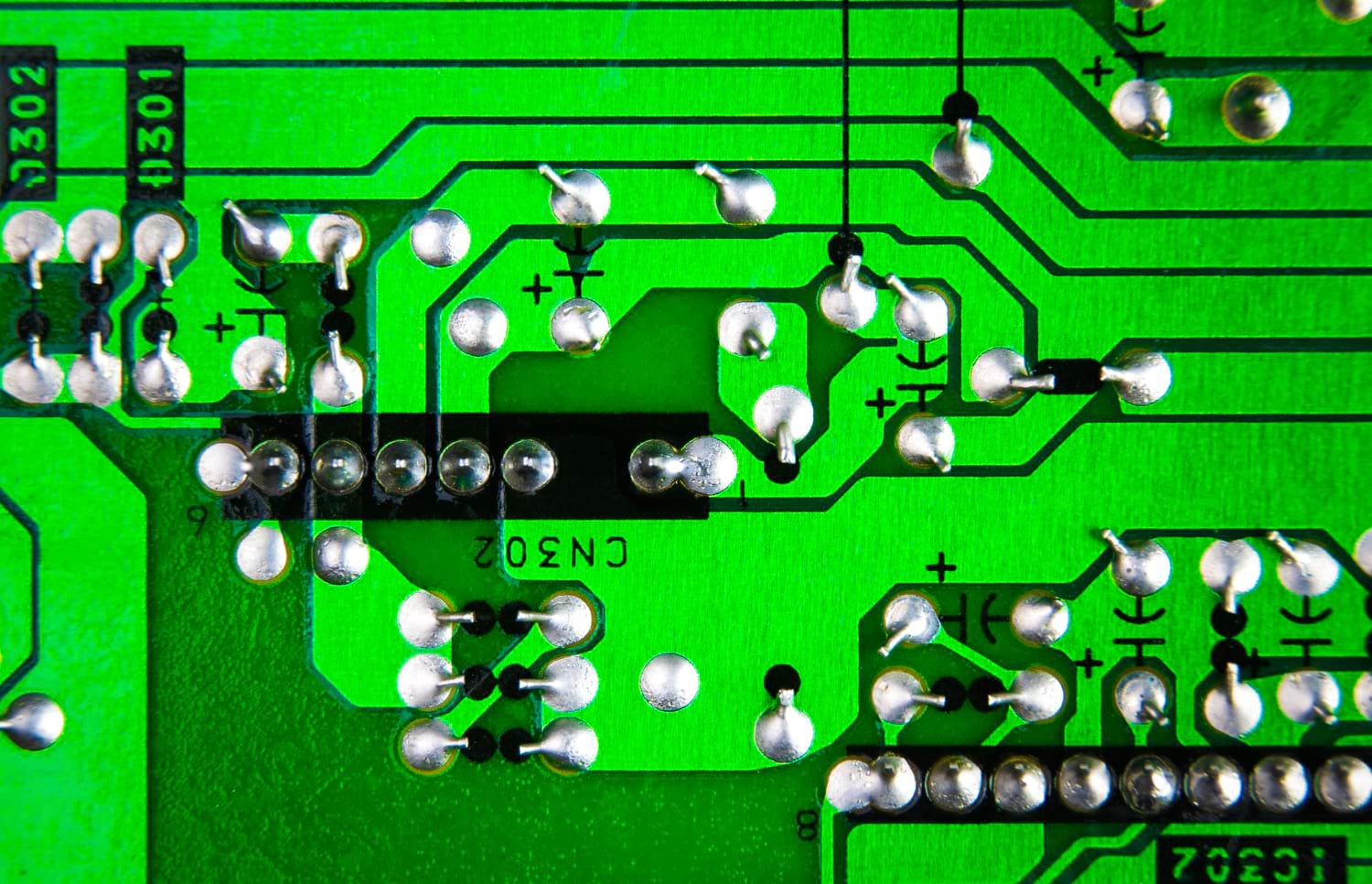
But schematic and layout design are only the beginning. To ensure the functionality and reliability of the design, rapid prototyping and testing services are employed. Prototyping allows for real-world validation of theoretical models and simulations. Engineers use prototyping to quickly identify flaws, adjust tolerances, and verify the performance of embedded systems and power supplies. This step is critical in reducing the risk of failure in the final product and helps shorten the development cycle.
Embedded Electronics and FPGA Solutions
In addition to PCB and hardware design, embedded electronics play a critical role in enabling functionality. Embedded systems are specially designed computer systems that operate within a larger mechanical or electrical system. They often run on microcontrollers or microprocessors and manage a specific set of functions. These systems must be optimized for low power consumption, reliability, and real-time processing.
Electronic design services in the realm of embedded development typically include firmware development, device driver integration, and real-time operating system (RTOS) configuration. Engineers may use platforms such as ARM Cortex-M, ESP32, or STM32 depending on the application. Whether it’s a wearable health monitor or an automotive control module, embedded systems must be carefully designed and tested for timing accuracy, fault tolerance, and power efficiency.

Conclusion: Innovation Powered by Expert Electronic Design
The integration of customizable PCB layouts, embedded system engineering, FPGA logic design, prototyping, and industrial-grade testing is what defines modern electronic design services. These services are the invisible framework that powers today’s innovations in consumer electronics, industrial automation, medical diagnostics, automotive safety, and smart IoT applications. Businesses that partner with experienced design service providers gain not only technical expertise but also the strategic advantage of faster time-to-market, lower production costs, and more reliable products.
As technology continues to evolve at a rapid pace, the demand for specialized and comprehensive electronic design services will only grow. From a simple sensor-based device to a complex FPGA-driven system, success in product development starts with a strong foundation in electronic engineering—customized, tested, and optimized for performance and reliability.


Author Profile
- Meet Sarah, the FinTech expert author who has been in the finance industry for over a decade. Her expertise in digital payments, cryptocurrencies, and financial regulations has made her a sought-after speaker and writer. Her articles are insightful and practical, offering readers valuable tips on how to navigate the rapidly evolving world of FinTech.
Latest entries
 TrendsOctober 22, 2025Training All Locations at Once: How VR Optimizes Multisite Learning
 UncategorizedSeptember 28, 2025Las claves microsoft excel y su papel en la gestión de datos moderna
 UncategorizedSeptember 26, 2025The Role of Software Development Companies and Their qa services
 UncategorizedSeptember 25, 2025IT Project Outsourcing – Strategic Solution for Modern Businesses